Welcome to imaxlooks News
Miami Vice neon meets elite face literacy: how imaxlooks News breaks down bone, midface, proportions, and styling cues for big-screen looks-maxxing — educational, scored, and camera-first.
Neon grid, elite face literacy
Welcome to imaxlooks News — the Miami Vice–coded feed for looks-maxxing, elite face rating, and big-screen looks analysis. Cyan edges, magenta heat, black glass: the site aesthetic is deliberate. It mirrors how cinema light sculpts bone. Every article here treats a celebrity face the way a DP treats a close-up — planes, ratios, finish, and the craft levers you can actually study.
This is not gossip. It is structured facial aesthetics education: bone structure, midface volume and length, facial thirds and fifths, orbital and mandibular geometry, plus hair, grooming, wardrobe, and lighting cues that change how those bones read on an IMAX-scale frame.
What “looks-maxxing” means here
Looks-maxxing, in the imaxlooks sense, is optimization literacy — learning which traits are largely genetic (zygomatic projection, gonial angle, orbital depth) versus which presentation levers are trainable or styleable (hair volume, neckline, facial hair density, highlight placement, key-light angle). We rate features on an editorial 0–10 study scale so you can compare patterns across faces without pretending the numbers are clinical.
Elite face rating on this platform means:
- Bone first — mandible width, chin projection, cheekbone plane, brow ridge.
- Midface second — cheek fullness, infraorbital support, nose–lip–philtrum balance.
- Proportions third — vertical thirds, horizontal fifths, eye spacing, lower-third dominance.
- Styling last — the finish that either reveals or muddies the structure.
How to read an article
Each celebrity breakdown follows the same spine:
- Big-screen thesis — why this face “holds” in a wide close-up.
- Bone & mandible analysis — gonial angle, chin, zygoma, temporal width.
- Midface & soft tissue — volume, hollows, under-eye, nasal base.
- Proportions & ratios — thirds, fifths, canthal tilt cues, facial taper.
- Styling & grooming cues — hair, brows, facial hair, wardrobe necklines, jewelry.
- Lighting & camera craft — key/fill ratios that amplify the look.
- Concrete takeaways — actionable observation drills (not procedures).
Image ethics
Portraits are sourced from Wikimedia Commons (or equivalent public licenses) with attribution stored on media assets. Educational use. No stolen paparazzi dumps.
Stack (for the builders)
The feed is Vercel-native with a JSON seed for instant deploys and a Prisma Postgres schema for production. When `DATABASE_URL` is linked, `npm run db:seed` upserts celebrities, news bodies, look features, and media.
Start here
Pick any celebrity article below the fold on /news. Open the related look card for scored features. Study the planes under hard light vs soft light. That is the whole game — neon aesthetic, serious analysis.
Welcome to the grid.
---
*Educational analysis only — not medical, surgical, or dermatological advice. Scores are editorial study ratings for camera craft and facial aesthetics literacy.*
Source: https://imaxlooks.vercel.app
More looks news
 imaxlooks
Henry Golding: looks-maxxing breakdown
An educational breakdown of Henry Golding's warm Southeast Asian leading-man polish, soft smile, and cheekbone rails — for learning, not medical advice.
 imaxlooks
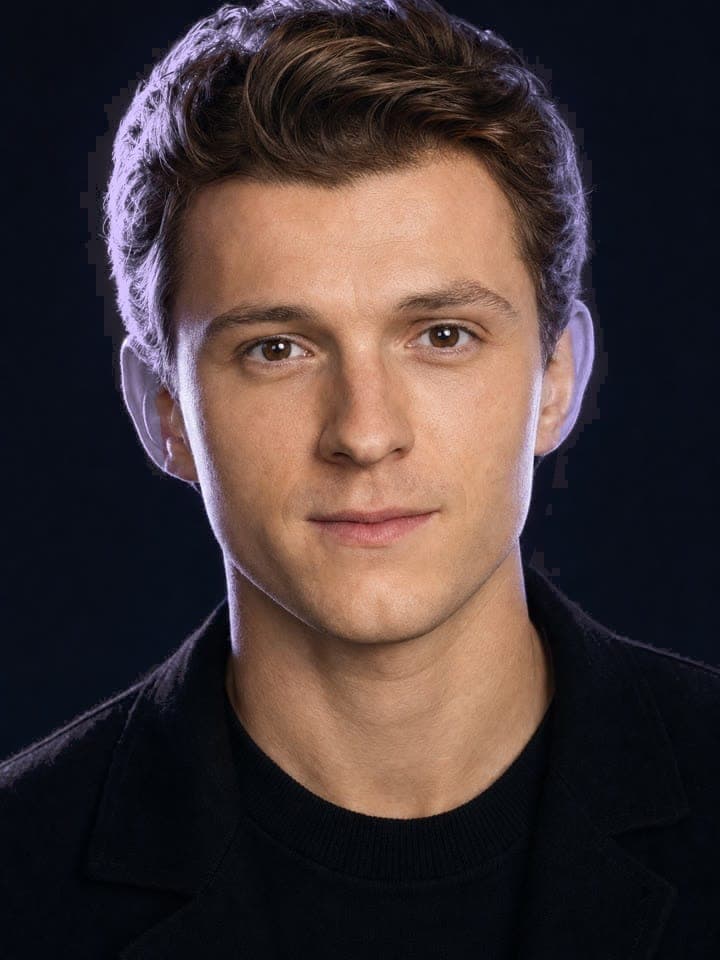
Tom Holland: looks-maxxing breakdown
An educational breakdown of Tom Holland's youthful British Spider-Man structure, warm brown gaze, and soft-smile camera craft — for learning, not medical advice.
 imaxlooks
Dev Patel: looks-maxxing breakdown
An educational breakdown of Dev Patel's warm South Asian leading-man structure, cheekbone rails, and soft-smile camera craft — for learning, not medical advice.